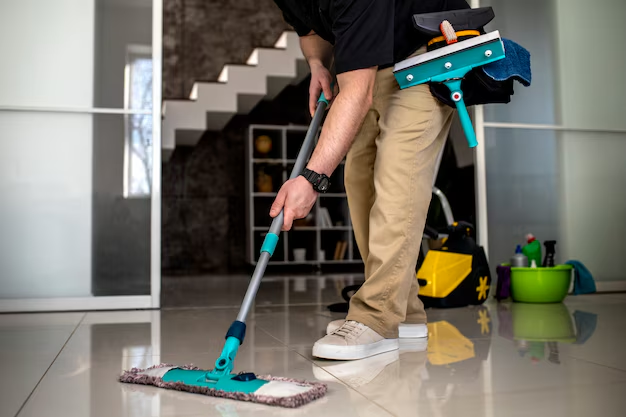

A clean home supports comfortable living, protects household surfaces, and makes everyday tasks easier to manage. However, maintaining a tidy space requires more than occasional dusting or putting things away. Kitchens collect grease, bathrooms develop moisture stains, floors accumulate dirt, and frequently touched surfaces need regular attention. Busy work schedules, family responsibilities, and changing household routines can make these tasks difficult to manage consistently. Many Montreal residents turn to home cleaning services in Montreal when household cleaning starts taking too much time away from their personal and professional commitments.
A practical cleaning routine helps prevent small maintenance issues from becoming larger problems. It also makes household upkeep more manageable by dividing responsibilities into smaller tasks. From choosing suitable cleaning products to establishing a weekly schedule, a few thoughtful decisions can improve the condition of living spaces without making cleaning feel like an exhausting responsibility.
Daily Cleaning Habits That Keep Household Mess Under Control
Small cleaning activities performed throughout the day can reduce the amount of work required during a weekly deep clean. Rather than allowing clutter and dirt to accumulate, households can maintain basic cleanliness through simple routines.
Some useful daily habits include:
- Make beds after waking up: Straightening bedding gives bedrooms a tidier appearance and makes it easier to notice dust or clutter.
- Wipe kitchen counters: Removing food residue, spills, and cooking grease helps keep food preparation areas hygienic.
- Wash dishes promptly: Leaving dirty dishes overnight can create unpleasant odours and attract insects.
- Put frequently used items away: Returning shoes, bags, clothing, and household accessories to their designated places reduces clutter.
- Clean bathroom surfaces: A quick wipe of sinks, taps, and shower areas helps prevent soap residue and watermarks from building up.
- Sweep high-traffic areas: Entryways and kitchen floors often collect dirt throughout the day and benefit from regular attention.
These activities generally take only a few minutes. Completing them consistently can prevent household chores from becoming overwhelming.
See also: The Future of Mobile Device Lifecycle Management: From Testing to Resale
Kitchen Maintenance Requires More Than Surface Cleaning
The kitchen experiences frequent activity, making it one of the most demanding areas to maintain. Cooking produces grease, food particles, moisture, and odours that can settle on different surfaces. Cleaning only the visible mess may leave behind residue that becomes harder to remove over time.
A useful kitchen maintenance routine should cover several areas.
- Appliances: Refrigerators, microwaves, ovens, and dishwashers need regular cleaning. Food spills inside microwaves should be removed promptly, while refrigerator shelves benefit from occasional washing.
- Cabinet doors: Cooking vapours can leave a greasy film on cabinet surfaces, particularly those located near stovetops. Use a suitable cleaning solution and a soft cloth to avoid damaging the finish.
- Sinks and drains: Food particles and soap residue can accumulate around drains. Regular rinsing and cleaning help reduce unpleasant smells.
- Floors and corners: Dirt often collects beneath cabinets, refrigerators, and movable appliances. These areas should receive attention during deeper cleaning sessions.
Food preparation surfaces also require products suitable for their specific materials. Using abrasive cleaners on delicate countertops can cause scratches or dull finishes. Always follow the manufacturer’s care recommendations.
Bathroom Hygiene Depends on Consistent Attention
Bathrooms require frequent cleaning because moisture creates conditions that encourage soap buildup, water stains, and mould growth. Poor ventilation can make these problems more noticeable, particularly during colder months when windows remain closed.
A thorough bathroom cleaning routine should include:
- Scrubbing toilets, including the surrounding floor and exterior surfaces.
- Removing soap residue from shower walls, bathtubs, and glass doors.
- Cleaning taps and fixtures to reduce mineral deposits.
- Washing bathroom sinks and removing toothpaste residue.
- Cleaning mirrors with a suitable glass cleaner.
- Washing bath mats and replacing damp towels regularly.
- Checking corners, grout lines, and seals for signs of persistent moisture.
Ventilation deserves particular attention. Running an exhaust fan during and after showers helps remove excess humidity. Wiping wet surfaces and allowing towels to dry properly can also reduce moisture accumulation.
For visible mould covering larger areas or repeatedly returning, professional assessment may be necessary rather than relying on routine surface cleaning.
Choosing Cleaning Products for Different Household Surfaces
Using the wrong cleaning product can damage household materials. Wood, stone, glass, stainless steel, and ceramic surfaces have different maintenance requirements. A product suitable for one material may leave marks or damage another.
Before selecting cleaning supplies, consider the following:
- Hardwood flooring: Use products specifically formulated for finished wood. Excessive water can damage wooden flooring.
- Natural stone: Avoid acidic cleaners on marble and other sensitive stone surfaces.
- Glass: Choose a suitable glass cleaner and a lint-free cloth to reduce streaking.
- Stainless steel: Clean with a soft cloth, following the direction of the grain where possible.
- Upholstery: Check fabric care instructions before applying cleaning solutions.
- Ceramic tiles: Use appropriate cleaners to remove dirt without damaging grout.
A small collection of suitable products is generally more practical than purchasing numerous specialised cleaners without considering household requirements.
Never mix cleaning chemicals, particularly bleach with ammonia or acidic products. Such combinations can release dangerous gases. Keep cleaning supplies labelled and stored away from children and pets.
Seasonal Cleaning Helps Protect Living Spaces
Montreal experiences considerable seasonal changes, and each period brings different household cleaning requirements. Winter introduces road salt, snow, moisture, and mud, while spring often brings dust and debris that have accumulated during colder months.
Seasonal cleaning provides an opportunity to address areas that receive less attention during everyday maintenance.
Winter preparation
- Place washable mats near entrances to collect snow and road salt.
- Clean floors more frequently to prevent salt residue from damaging certain finishes.
- Check window frames for condensation and moisture.
- Wash heavy blankets and winter bedding according to care instructions.
Spring refresh
- Clean window interiors and accessible window tracks.
- Wash curtains and removable fabric covers.
- Remove dust from ceiling fans, vents, and light fixtures.
- Organise storage spaces and remove unnecessary household items.
Summer upkeep
- Clean balcony floors and outdoor furniture.
- Remove dust from window screens.
- Monitor kitchen and bathroom ventilation.
- Wash frequently used lightweight bedding.
Autumn preparation
- Clean entryways before wet and snowy weather arrives.
- Wash heavier bedding before regular use.
- Remove dust from heating vents.
- Organise coats, footwear, and seasonal accessories.
These activities help households prepare for changing weather while maintaining cleaner indoor surroundings.
Professional Cleaning Can Support a More Manageable Routine
Household cleaning requirements differ according to property size, occupancy, flooring materials, and everyday activity. A small apartment may need attention to compact kitchens and bathrooms, while a larger family home can require more time for bedrooms, staircases, and shared living areas.
Professional cleaning arrangements can help address tasks that are difficult to complete alongside regular responsibilities. Residents can consider several factors before choosing a cleaning provider:
- Cleaning requirements: Identify whether the property needs regular upkeep, a deeper cleaning session, or attention to specific rooms.
- Property details: Explain the number of rooms, flooring types, and areas requiring additional care.
- Product preferences: Discuss suitable cleaning products, particularly if household members have specific material or fragrance preferences.
- Scheduling: Choose an arrangement that fits work commitments, family routines, and property access.
- Service expectations: Clarify which tasks are included and whether additional requests require separate arrangements.
Klarra recognises the value of maintaining comfortable, orderly living spaces through practical household care. Establishing clear expectations before a cleaning appointment can help ensure that important areas receive appropriate attention.
A Well-Maintained Home Makes Everyday Living Easier
A clean home does not depend on completing every household task in a single day. Consistent maintenance, appropriate cleaning products, and attention to frequently used spaces can make a noticeable difference over time. Dividing responsibilities across daily, weekly, and seasonal routines also prevents household chores from interfering excessively with work and personal activities.
Residents can know more about us and explore cleaning services suited to their household needs. With the right support and a consistent cleaning schedule, maintaining a clean, welcoming, and organised home becomes easier, leaving more time to enjoy everyday activities.