
Smartphones have become essential business assets, supporting communication, productivity, customer engagement, and daily operations. As organisations upgrade their devices more frequently, managing smartphones throughout their useful life has become increasingly important. Mobile device lifecycle management now involves much more than purchasing and distributing devices. It includes testing, monitoring, maintenance, data security, refurbishment, and resale.
For businesses handling large device inventories, adopting mobile phone diagnostic software and structured management processes can improve operational efficiency while extending device usability. As technology evolves, the future of mobile device lifecycle management will depend on automation, accurate diagnostics, secure data handling, and smarter resale strategies.
Understanding the Mobile Device Lifecycle
Every smartphone passes through several stages, from initial procurement to eventual retirement or resale. Managing these stages systematically helps organisations maintain device quality, control costs, and make informed decisions about when to repair, replace, or refurbish their inventory.
From Device Procurement to Deployment
The lifecycle begins when a business purchases or receives mobile devices for operational use. At this stage, organisations need to verify device specifications, inspect physical condition, record unique identifiers, and ensure that devices meet their intended requirements.
A structured procurement process should include:
- Recording IMEI numbers and serial numbers.
- Checking device authenticity and relevant status information.
- Inspecting screens, cameras, speakers, and charging components.
- Confirming operating system compatibility.
- Registering devices in an inventory management system.
These initial checks establish a reliable baseline for future maintenance and performance monitoring.
Why Regular Device Testing Matters
Once devices are deployed, their performance and physical condition can change over time. Battery degradation, display issues, connectivity problems, and malfunctioning components can affect usability. Regular assessments help businesses identify these problems before they lead to unexpected device failures.
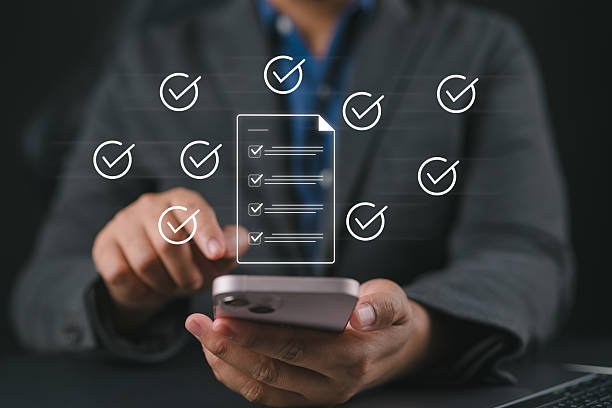
Mobile phone diagnostic software can simplify this process by evaluating important hardware and software functions through structured testing procedures. Instead of relying entirely on manual inspections, technicians can use diagnostic results to identify potential issues and determine whether a device requires maintenance, repair, or replacement.
How Mobile Phone Diagnostic Software Is Transforming Device Management
Technology is changing how businesses inspect and manage mobile devices. Automated diagnostics can make testing more consistent, reduce repetitive manual work, and provide useful information for operational decision-making.
The Growing Role of Automated Diagnostics
Traditional smartphone testing often requires technicians to inspect individual components and manually record results. This approach can become time-consuming when businesses manage hundreds or thousands of devices.
Mobile phone diagnostic software helps streamline the assessment process by supporting checks for features such as:
- Touchscreen responsiveness.
- Camera and microphone functionality.
- Speaker and audio performance.
- Battery and charging behaviour.
- Wireless connectivity.
- Sensors and other hardware components.
Automated testing can help technicians identify faults more consistently. However, results should be reviewed alongside physical inspections and device-specific testing requirements.
Using Diagnostic Reports to Make Better Decisions
Testing is most valuable when its results support clear business decisions. Diagnostic reports can help organisations understand device condition, identify recurring hardware issues, and determine which smartphones are suitable for continued use.
For example, a refurbishment company receiving a batch of used smartphones can test each device before assigning it a resale category. Devices with minor issues may be suitable for repair, while those with significant faults may require further evaluation.
Mobile phone diagnostic software also helps maintain consistent testing records, making it easier to compare device conditions across different batches and processing locations.
The Growing Importance of Refurbishment and Resale
Refurbishment and resale are becoming important parts of modern device lifecycle management. Rather than immediately disposing of older smartphones, businesses can assess their condition and determine whether they can be repaired and returned to the market.
Extending Device Usability Through Refurbishment
Refurbishment involves inspecting, repairing, cleaning, and preparing used smartphones for another period of use. A structured refurbishment process helps businesses identify devices that can be restored to an acceptable working condition.
A typical workflow may include:
- Initial device inspection.
- Hardware and software diagnostics.
- Repair or replacement of faulty components.
- Secure data sanitization.
- Final functionality testing.
- Grading and resale preparation.
Using mobile phone diagnostic software before and after repairs helps technicians compare results and confirm whether identified problems have been addressed.
Making Resale Decisions Based on Device Condition
Not every used smartphone has the same resale potential. Factors such as physical appearance, battery condition, hardware functionality, storage capacity, and network compatibility can influence its resale suitability.
Businesses should establish clear grading categories based on measurable inspection criteria. For example, a device with minor cosmetic wear but fully functional components may receive a different grade from one requiring screen or battery repairs.
Accurate grading helps businesses set realistic resale prices, manage customer expectations, and maintain consistency across their inventory.
Data Security Throughout the Device Lifecycle
Device management is not complete when a smartphone is no longer required by its original owner. Before a device is transferred, refurbished, or resold, its previous data must be handled through an appropriate sanitization process.
Why Secure Data Erasure Is Essential
Smartphones may contain personal information, business documents, saved credentials, customer records, and other sensitive material. A standard factory reset should not automatically be treated as proof of secure data erasure.
Businesses should use sanitization methods appropriate to the device’s storage technology and maintain records of completed procedures. This becomes particularly important when processing corporate devices that may have stored confidential information.
A well-defined data removal process protects previous users while preparing devices for their next owners.
Integrating Security Into Resale Workflows
Data sanitization should take place before a refurbished smartphone enters the final resale stage. Organisations should verify that the selected erasure process has completed successfully and that the device is ready for its next user.
CellDe offers technology solutions that support device verification and management workflows. Integrating suitable tools into testing, verification, and preparation processes can help businesses establish more consistent lifecycle operations.
Conclusion
The future of mobile device lifecycle management will involve connected processes that cover procurement, testing, maintenance, refurbishment, data security, and resale. Businesses that adopt mobile phone diagnostic software can improve testing consistency, identify device issues earlier, and make better-informed decisions about repair and replacement.
Combining automated diagnostics with secure data sanitization, accurate device grading, and organised inventory records creates a more efficient lifecycle strategy. CellDe supports organisations exploring smarter approaches to device verification and management. As the pre-owned smartphone market continues to expand, businesses that manage every stage of the device lifecycle will be better positioned to improve operational efficiency and maximise device value.