
Warehouse automation is changing how businesses manage storage, inventory movement, and order fulfilment. As operational requirements evolve, warehouses increasingly depend on integrated equipment, automated material handling, and efficient storage arrangements. However, one important factor is sometimes overlooked during facility planning: whether the existing racking infrastructure can support future automation.
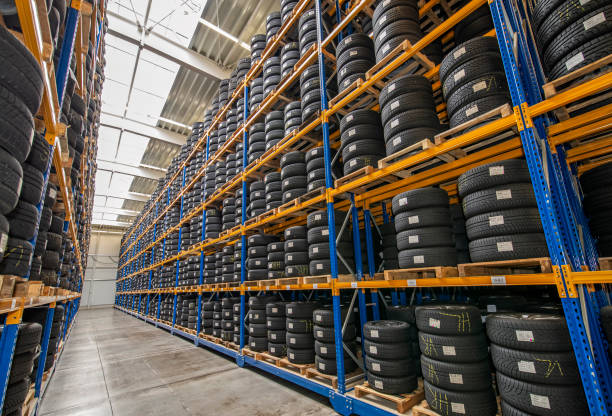
Industrial warehouse racking plays an important role in determining how efficiently products move through a facility. If storage systems are designed only for current requirements, businesses may face significant challenges when introducing automated equipment later. Limited aisle space, incompatible rack configurations, and insufficient structural planning can make automation projects more complicated and expensive.
Understanding these challenges early can help businesses make better infrastructure decisions. Here are the potential consequences of failing to design warehouse racking with future automation in mind.
7 Problems Caused by Warehouse Racking That Is Not Automation-Ready
Warehouse racking should support both present storage requirements and future operational improvements. When infrastructure planning does not consider automation, businesses may encounter limitations that affect equipment integration, storage capacity, and material movement. The following challenges explain why forward-thinking racking design is important.
1. Increased Costs During Future Automation Upgrades
One of the biggest consequences of unsuitable racking is the additional expense involved in upgrading an existing warehouse. Automated storage and retrieval systems, conveyors, and other material handling equipment may require specific rack dimensions, configurations, and clearances.
If the original structure cannot accommodate these requirements, businesses may need to modify or replace significant portions of their storage infrastructure.
This can involve additional engineering assessments, equipment relocation, installation work, and operational adjustments. Investing in properly planned industrial warehouse racking from the beginning can reduce the likelihood of extensive modifications when automation becomes a priority.
2. Limited Compatibility With Automated Equipment
Different automation technologies have specific infrastructure requirements. Automated storage systems, robotic picking equipment, and conveyor networks need suitable access, positioning, and clearance to operate effectively.
Racking designed without considering these requirements may restrict equipment installation or limit the available automation options.
Businesses should evaluate factors such as:
- Rack dimensions and storage configurations.
- Aisle widths and equipment access.
- Load capacity and structural specifications.
- Conveyor integration requirements.
- Clearance for automated handling equipment.
An experienced industrial racking systems provider can help businesses assess these considerations before finalising their warehouse infrastructure.
3. Reduced Storage Efficiency
Automation is often introduced to improve warehouse productivity and make better use of available space. However, poorly planned racking can prevent businesses from achieving these objectives.
For example, an existing layout may contain inconsistent storage dimensions, inefficient aisle arrangements, or unused vertical space. These limitations can make it difficult to introduce automated storage solutions without redesigning the facility.
Well-planned industrial warehouse racking should consider storage density, product dimensions, handling requirements, and potential automation technologies. This approach helps businesses establish a more adaptable storage environment that can support changing inventory requirements.
4. Complicated Material Movement and Workflow Integration
Warehouse automation depends on coordinated movement between storage locations, picking areas, conveyors, and dispatch zones. If racking arrangements do not support these connections, material handling workflows can become difficult to integrate.
For instance, a conveyor system may require additional access points or changes to existing rack configurations. Similarly, automated equipment may need dedicated movement paths that are unavailable within the current layout.
Businesses should consider how products will move throughout the facility before selecting industrial racking systems. Planning these connections early can help create smoother material flows and reduce unnecessary infrastructure changes.
5. Restrictions on Future Warehouse Expansion
Business growth often brings changes in inventory volumes, product ranges, and distribution requirements. A racking system designed exclusively around present needs may not provide enough flexibility to accommodate these developments.
For example, a business may initially operate with manual picking but later require automated storage or robotic handling. If the existing racking cannot support the new equipment, expansion may require substantial redesign work.
Future-ready industrial warehouse racking should consider:
- Potential increases in inventory volumes.
- Changes in product dimensions and storage requirements.
- Opportunities for additional automation.
- Available floor space and vertical clearance.
- Integration with future material handling systems.
Considering these factors during the initial design stage can help businesses avoid unnecessary limitations.
6. Increased Installation Complexity and Operational Disruption
Introducing automation into an operating warehouse can be challenging when existing infrastructure is incompatible with new equipment. Installation teams may need to relocate inventory, dismantle racks, modify aisles, or temporarily restrict access to storage areas.
These activities can affect regular warehouse operations, particularly when businesses have limited alternative storage space.
Selecting suitable industrial racking systems during the initial facility design can simplify future installation planning. Businesses should coordinate racking specifications with anticipated equipment requirements to reduce the likelihood of major structural changes later.
7. Difficulty Maintaining Long-Term Operational Flexibility
A warehouse should be capable of adapting to changing business requirements. Storage infrastructure that supports only one operating method can restrict future technology investments.
For example, a facility may initially rely on conventional forklifts but eventually require automated guided vehicles or automated storage solutions. If the racking layout does not provide suitable access or clearance, introducing these technologies may become difficult.
A flexible industrial warehouse racking strategy considers multiple potential operating scenarios rather than focusing exclusively on immediate requirements.
How to Design Warehouse Racking for Future Automation
Avoiding these challenges starts with a structured planning process. Businesses should evaluate their current storage requirements while considering how technology, inventory volumes, and material handling methods may change over time.
Assess Current and Future Storage Requirements
Begin by reviewing product dimensions, inventory volumes, storage conditions, and material handling processes. Identify which areas may eventually require automated equipment and determine whether the proposed racking arrangement can accommodate those changes.
This assessment should also consider available floor space, ceiling height, loading requirements, and operational access. Working with an experienced industrial racking systems provider can help translate these requirements into suitable infrastructure specifications.
Coordinate Racking Design With Automation Planning
Racking and automation should not be planned as completely separate projects. Their specifications need to work together to support efficient material movement and equipment integration.
Businesses should discuss potential automation technologies before finalising rack dimensions and aisle arrangements. MTLI Group offers industrial infrastructure and warehouse-related solutions, making coordinated planning an important consideration when developing facilities for evolving operational needs.
Prioritise Structural Requirements and Future Adaptability
Racking infrastructure must be designed around the loads, equipment, and operating conditions it will support. Businesses should establish appropriate structural specifications and ensure that any future modifications are assessed by qualified professionals.
Planning for adaptable storage configurations, accessible service areas, and potential equipment connections can also improve long-term flexibility.
Conclusion
Failing to design warehouse racking for future automation can result in higher upgrade costs, equipment compatibility issues, reduced storage efficiency, and unnecessary operational disruption. These challenges can make warehouse modernisation more complicated than expected.
Investing in properly planned industrial warehouse racking and adaptable industrial racking systems helps businesses prepare for changing operational requirements. By considering automation during the initial design stage, businesses can create infrastructure that supports both current storage needs and future improvements.
MTLI Group provides warehouse racking, automation, installation, and industrial infrastructure solutions. Taking a forward-looking approach to warehouse design can help businesses build more flexible facilities that are better prepared for long-term operational growth.