
Replacing missing or severely damaged teeth involves more than restoring the appearance of a smile. It can also improve chewing ability, support jawbone health and make everyday activities such as speaking and eating more comfortable. Full mouth dental implants are one treatment option for people who have lost most or all of their natural teeth or have teeth that cannot be restored.
Understanding each stage of treatment can help patients feel more prepared and make informed decisions. From the initial dental assessment to implant placement and recovery, every step plays an important role in achieving a stable and functional result.
What Is a Full Mouth Dental Implant Treatment?
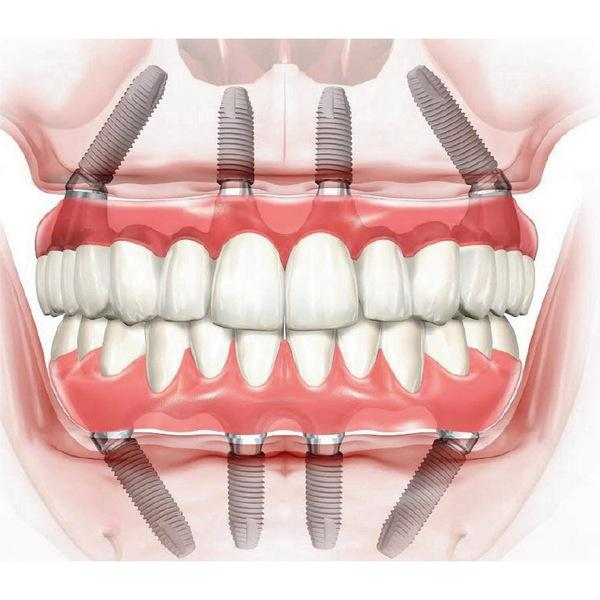
Full mouth dental implant treatment involves replacing an entire arch of missing or failing teeth with a fixed or removable dental restoration supported by implants. Small titanium or other biocompatible posts are placed into the jawbone to act as artificial tooth roots.
After placement, the implants gradually bond with the surrounding bone through a natural healing process called osseointegration. Once sufficient healing has occurred, a custom-made dental bridge or prosthesis is attached to the implants.
A carefully planned full mouth dental implants procedure can help restore chewing function, improve smile appearance and provide stable support for replacement teeth.
What to Expect Before a Full Mouth Dental Implants Procedure
Preparation is an important part of treatment. Before surgery, the dental team evaluates the patient’s oral health, medical history and jawbone condition to determine whether implants are suitable.
1. Initial Consultation and Dental Assessment
The first appointment usually involves a detailed examination of the teeth, gums and supporting structures. The dentist discusses the patient’s concerns, treatment expectations and available replacement options.
During this assessment, the dental professional may check for:
- Missing, loose or severely damaged teeth.
- Gum disease or signs of oral infection.
- Jawbone density and available bone volume.
- Existing dental restorations and bite alignment.
- Medical conditions or medications that may affect healing.
Patients should provide accurate information about their medical history, smoking habits and current medication use. These details can influence surgical planning and recovery.
2. Dental Imaging and Treatment Planning
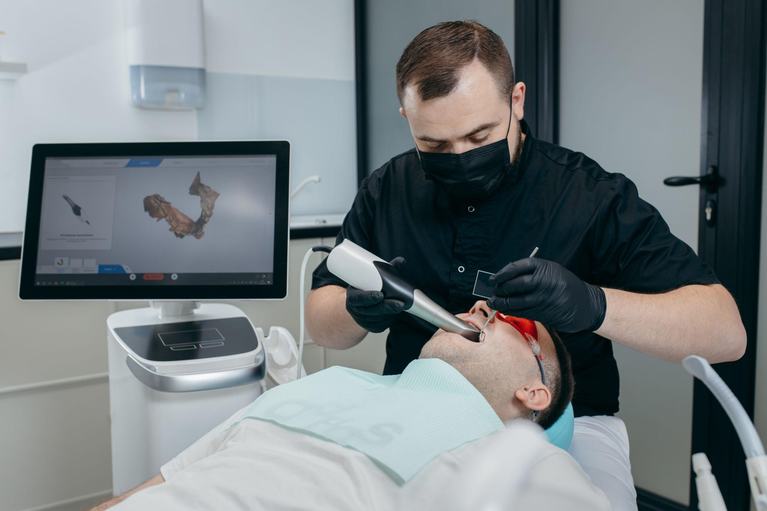
Dental imaging helps the dentist understand the shape and condition of the jawbone. X-rays and three-dimensional scans, such as cone beam computed tomography (CBCT), may be used to examine bone thickness, identify important anatomical structures and plan implant positions.
Digital impressions or physical moulds may also be taken to assess the bite and design the replacement teeth.
The treatment plan typically considers the number and position of implants, the type of restoration, the need for additional procedures and the expected treatment timeline.
3. Preparing the Mouth for Surgery
Some patients need additional dental treatment before implant placement. For example, damaged teeth may need to be removed, while gum infections must be addressed to create healthier conditions for surgery.
If there is insufficient jawbone to support implants, bone grafting may be recommended. This procedure adds or rebuilds bone in areas where the existing structure is inadequate. However, not every patient requires grafting.
The dentist also provides instructions about eating, medication, oral hygiene and arrangements for transportation if sedation is planned.
What Happens During a Full Mouth Dental Implants Procedure?
The surgical stage involves placing dental implants into carefully selected positions within the jawbone. The exact process varies according to the patient’s oral condition and the treatment technique being used.
1. Anaesthesia and Patient Comfort
Before surgery begins, the dental team administers an appropriate form of anaesthesia. Local anaesthesia is commonly used to numb the treatment area. Sedation may also be offered to help patients feel more relaxed, depending on their needs and medical suitability.
The dental professional monitors the patient throughout the procedure to maintain comfort and safety.
2. Tooth Removal and Implant Placement
If damaged or non-restorable teeth remain, they may be removed before implant placement. The dentist then prepares the selected areas of the jawbone and inserts the implants.
Each implant is positioned according to the treatment plan to provide suitable support for the replacement teeth. In some cases, implants can be placed immediately after tooth extraction, provided the local conditions are appropriate.
The number of implants depends on the chosen restoration and the patient’s bone structure.
3. Temporary Teeth and Initial Restoration
Some patients may receive temporary replacement teeth on the same day as implant placement or shortly afterwards. This depends on implant stability, bone quality, bite forces and the overall clinical situation.
Temporary restorations help maintain appearance and basic function while the implants heal. They are usually designed to protect the surgical areas and may require dietary restrictions.
Immediate temporary teeth are not suitable for everyone. In certain cases, the dentist may recommend allowing the implants to heal before attaching a restoration.
4. Healing and Implant Integration
After placement, the implants need time to bond with the jawbone. This process, known as osseointegration, creates the foundation for long-term stability.
Healing time varies between patients and may take several months. During this period, the dental team monitors the implants and surrounding tissues to ensure that recovery is progressing properly.
What to Expect After a Full Mouth Dental Implants Procedure
Recovery is an essential part of treatment. Patients may experience temporary discomfort, swelling and changes in eating habits as the surgical areas heal.
1. Common Symptoms During Early Recovery
Mild to moderate swelling, bruising, tenderness and minor bleeding can occur after surgery. These symptoms are generally most noticeable during the first few days and should gradually improve.
The dentist may recommend prescribed or suitable pain relief, cold compresses and specific oral hygiene instructions. Patients should follow the individual aftercare plan rather than relying on general advice.
Severe or worsening pain, persistent bleeding, fever, increasing swelling or signs of infection should be reported to the dental team promptly.
2. Dietary Changes During Healing
Eating carefully helps protect the implants and surrounding tissues. Hard, crunchy and chewy foods can place unnecessary pressure on the surgical areas, particularly during early recovery.
Suitable food choices may include:
- Yoghurt and soft dairy products.
- Mashed vegetables and potatoes.
- Scrambled eggs.
- Soft fish and well-cooked pasta.
- Smooth soups that are not too hot.
- Soft fruits and blended foods.
Patients should gradually return to a wider range of foods only when advised by their dentist. Even after temporary teeth are fitted, excessive biting pressure may affect healing.
3. Oral Hygiene and Implant Care
Keeping the mouth clean helps reduce the risk of infection and inflammation. However, cleaning around newly placed implants requires care.
The dental team may recommend a soft-bristled toothbrush, specific cleaning techniques and an appropriate mouth rinse. Patients should avoid disturbing the surgical sites and follow instructions about when and how to brush.
Long-term maintenance may include:
- Brushing twice daily with a suitable toothbrush.
- Cleaning between implants and beneath the restoration.
- Attending regular dental check-ups.
- Having professional implant maintenance when recommended.
- Avoiding smoking and other habits that may affect oral health.
4. Fitting the Final Replacement Teeth
Once the implants have integrated sufficiently with the jawbone, the dentist can proceed with the permanent restoration. Impressions or digital scans are taken to create replacement teeth that suit the patient’s bite, facial structure and functional needs.
The final restoration is then attached to the implants and checked for fit, comfort and bite alignment. Adjustments may be required to improve chewing function and prevent excessive pressure on individual implants.
Factors That Can Affect Treatment and Recovery
Every patient’s experience is different. Several factors can influence the complexity of treatment, healing time and long-term results.
These include:
- Bone quality: Adequate bone volume and density help provide support for implants.
- Gum health: Healthy gum tissues reduce the risk of complications.
- General health: Certain medical conditions and medications may influence healing.
- Smoking: Tobacco use can interfere with blood supply and increase the risk of implant failure.
- Oral hygiene: Consistent cleaning helps prevent inflammation around implants.
- Treatment complexity: Bone grafting, extractions and other procedures can extend the overall timeline.
Following professional advice and attending scheduled reviews can help identify potential problems early.
How Long Does the Entire Treatment Take?
The overall timeline depends on the patient’s oral health, bone condition and selected treatment approach. Some patients may receive temporary teeth shortly after implant placement, while others need a longer healing period before their restoration can be attached.
The initial consultation, diagnostic scans, surgery, healing and final restoration are separate stages. Additional procedures such as bone grafting may increase the time required.
A dentist can provide a more realistic estimate after examining the patient’s mouth and reviewing the treatment plan.
Conclusion
Full mouth dental implant treatment involves careful planning, surgical placement, healing and the fitting of replacement teeth. Each stage contributes to the stability, comfort and function of the final restoration. Although treatment can take several months, understanding what happens before, during and after surgery helps patients prepare for the process.
Choosing an appropriate treatment plan, maintaining good oral hygiene and attending regular dental appointments are important for long-term implant health. Patients should discuss their expectations, possible risks, recovery requirements and alternatives with a qualified dental professional before proceeding.