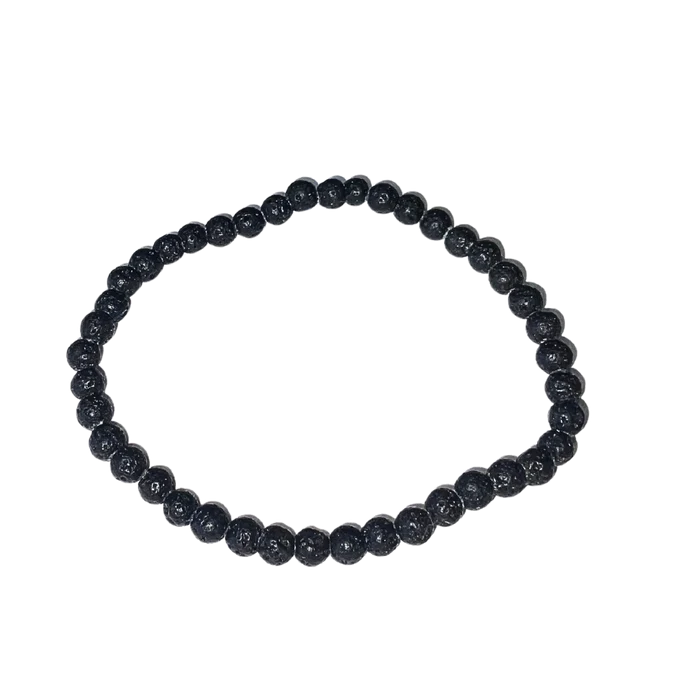

Why That Bracelet Looks Different
A bracelet photo can show two very different treatments of the same kind of stone. One bead looks smooth and softly rounded. The other bead has flat faces. Those faces catch the light in quick flashes. Neither finish is inherently superior.
The difference comes from how the stone was shaped and polished. You browse what crystal bracelets suppliers offer side by side. The contrast becomes easy to spot. Those choices have a long history. They still affect how a bracelet reflects light. It fits into a quiet self-care ritual. This comes after a crowded DC Metro day.
Before Cutting There Was Polish
Ancient adornment included shells, stone, and bone. Over time metalworking became more sophisticated. Decorative work grew more detailed. The treatment of a stone became part of the jewelry’s appearance.
Polishing and cutting create different visual effects. A polished surface lets color and pattern carry the look. Cut planes divide light into smaller reflections as the wrist moves.
A close product photo can make both finishes look glossy. You should look beyond the shine. Rounded surfaces carry a continuous highlight across the stone. Facets break that highlight into separate points. The edge of the bead tells the story. The edge may be softened and curved. The edge may show crisp lines. Individual planes meet along that edge.
The Shift from Polish to Facet
In medieval Europe, gems were usually polished rather than cut. This custom lasted until the late 14th century. the Victoria and Albert Museum’s history of jewellery explains that ranking. A stone’s size and lustrous color mattered more than brilliance created by facets.
That detail changes how a smooth stone is read today. A polished surface is not an unfinished attempt at faceting. It belongs to a visual tradition. Surface glow, color, and the character of the material could stand on their own.
Facets changed how a stone could perform in light. They did not erase the appeal of polish. A domed surface carries a broad highlight across the stone. Flat cut planes create smaller flashes. Those flashes can read sharply from a distance.
The bracelet setting also affects what you notice first. Closely spaced polished beads can create an almost continuous field of color. Faceted beads make each turn of the wrist more visible. Neither treatment needs to dominate the design. A quieter finish can make patterned material easier to see.
Rank Color and Meaning
Medieval European jewelry reflected social rank. Royalty wore gold. Nobility wore gold. Both ranks wore silver. Both ranks wore precious gems. Lower ranks of society often wore copper. They often wore pewter.
Color carried meaning as well. Some medieval European jewels bore inscriptions believed to protect the wearer. Decorative objects have long held symbolic roles alongside their visual appeal. People may still choose crystals for intentions. People may still choose crystals for traditions. Those associations aren’t medical claims.
Cabochon and Faceted Finishes
A cabochon is a polished stone with a rounded top. The underside is flat or gently curved. Cabochon-set stones in a bracelet show color as a calm, continuous field. They do not show a scatter of bright reflected points.
Faceted stones have a series of flat planes across the surface. Each plane catches light at a different angle. A bead can flicker as your hand turns. The effect feels geometric and active. A quiet stone color does not remove that effect.
Facets are not a scorecard. A finish can suit the material appearance and intended jewelry shape. It can suit the kind of light the finished stone is meant to show. Look for moving flashes or a broad, steady highlight. Do not assume one treatment ranks above the other.
Cabochons often suit stones with color, banding, or internal character. Those traits deserve an uninterrupted surface. Facets draw the eye toward light behavior instead. A product photo can show only one angle. In that case look for a side view as well. The stone height and profile can change how the bracelet reads on the wrist.
What Tumbling Looks Like
Tumbling produces another finish you may see in bracelet stones. The result is smooth, rounded, and evenly polished. It often has softened edges and a gentle shine.
A tumbled stone doesn’t have a cabochon’s domed profile. It lacks the angular planes of a faceted bead. The tumbled form usually looks more uniform. It can suit everyday layering or a simple moment of energy clearing at home.
That uniformity can make a bracelet feel less formal. The formal type is built around sharply cut beads. Raised settings define that formal type as well. It gives the eye fewer bright interruptions. The stone’s overall color can stay at the center. In photos, check each bead for the same softened profile. Check whether the piece mixes finishes.
The Facet Isn’t the Value
A faceted bead may look more dramatic in a product photo. Drama and value are not the same thing. Finish alone cannot identify a stone. It cannot establish that stone’s quality. Finish cannot tell you the right piece for your wrist.
GIA’s Gem Encyclopedia collects gemological information, buyer’s guides, and research for individual stones. It covers terminology around gemstone qualities. It can help you learn the language around a gem. No single finish tells the whole story.
Pay attention to what you actually like wearing. A reflective faceted bracelet may suit someone drawn to sparkle and movement. A smoothly polished stone may appeal to one person. That person wants color and texture to stay in view.
See also: Navigating Restraining Orders and Stay-Away Directives in Encino Cases
Where to Start
Look at bracelet stones. Begin with the finish instead of a ranking. A surface can be rounded or evenly tumbled. A surface can be divided into flat reflective faces. Watch what that choice does to the stone’s color and light.
A smooth finish can emphasize pattern and a soft glow. Facets can bring flashes of light and a more geometric look. Compare the finish in product photos. Choose the surface you want to see on your wrist.