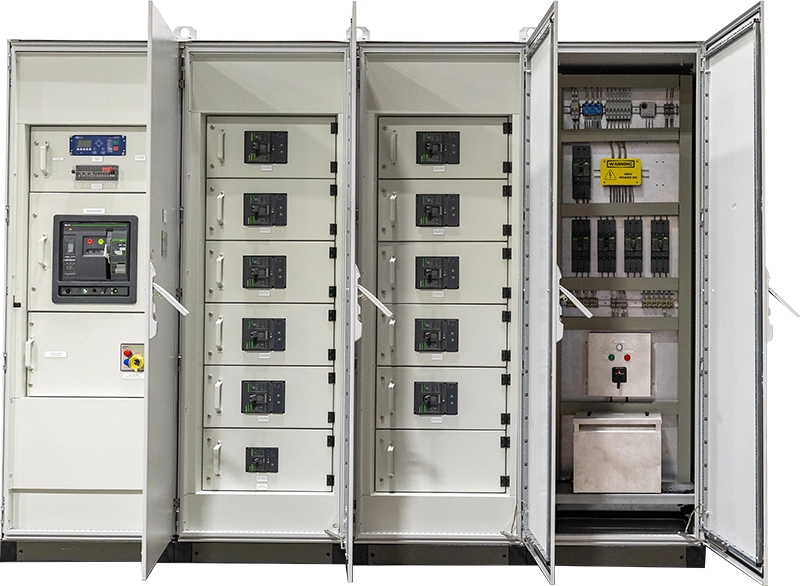

Selecting the right electrical distribution equipment is an important part of designing a safe and reliable commercial building. From office complexes and shopping centres to hospitals and industrial facilities, every building requires an organised system to distribute electricity to different areas and equipment. Electrical switchboards play a central role in this process by receiving incoming electrical power, distributing it across multiple circuits and providing protection against electrical faults. Choosing suitable equipment requires careful consideration of electrical demand, safety requirements, building layout, future expansion and maintenance needs.
1. Understand the Building’s Electrical Requirements
The first step in selecting suitable equipment is understanding the building’s overall electrical requirements. Different commercial properties have different power demands depending on their size, operations and installed equipment.
For example, an office building may require electricity for lighting, computers, lifts, heating, ventilation and air conditioning systems. A shopping centre may have additional requirements for refrigeration, escalators, signage and commercial kitchen equipment.
Before selecting a switchboard, consider:
- Total connected electrical load.
- Expected peak electricity demand.
- Number of electrical circuits required.
- Types of equipment connected to the distribution system.
- Single-phase and three-phase power requirements.
- Potential changes in electricity consumption.
A detailed load assessment helps determine the appropriate capacity and prevents equipment from being undersized or unnecessarily oversized.
2. Select the Appropriate Current Rating
Current rating is one of the most important factors when choosing electrical distribution equipment. It indicates the amount of electrical current that equipment is designed to carry continuously under specified operating conditions.
Commercial buildings have different current requirements depending on their electrical infrastructure and connected loads.
Match the Rating to the Electrical Load
The selected switchboard should have a continuous current rating that meets the calculated electrical demand. Common ratings include 800 A, 1200 A, 1600 A, 2000 A, 2500 A, 3200 A and 4000 A.
However, these ratings should not be selected based on building size alone. A qualified electrical engineer should consider:
- Maximum expected demand.
- Load diversity and operating patterns.
- Ambient temperature.
- Busbar temperature rise.
- Installation conditions.
- Applicable electrical standards.
Selecting an appropriate rating supports reliable operation and reduces the risk of excessive heating caused by unsuitable loading.
3. Consider Voltage Requirements
Voltage compatibility is another essential consideration. Commercial electrical systems operate at different voltage levels depending on their design, incoming supply and connected equipment.
The switchboard must be suitable for the system’s nominal voltage and maximum operating voltage.
Check System Compatibility
Before selecting equipment, identify:
- Incoming supply voltage.
- Distribution voltage requirements.
- Phase configuration.
- Frequency requirements.
- Voltage ratings of connected equipment.
Some low-voltage switchboards are designed for applications with maximum voltage ratings of up to 800 V. However, the actual equipment selection must match the electrical system and its operating conditions.
Incorrect voltage compatibility can create operational problems and compromise electrical safety.
4. Evaluate Short-Circuit and Interrupting Capacity
Electrical faults can occur because of damaged insulation, equipment failures, incorrect connections or other unexpected conditions. During a short circuit, current can increase significantly within a very short period.
The switchboard and its protective devices must be capable of safely managing the available fault current.
Understand Interrupting Capacity
Interrupting capacity refers to the ability of a protective device, such as a circuit breaker, to interrupt fault current safely.
When evaluating equipment, consider:
- Prospective short-circuit current at the installation point.
- Circuit breaker interrupting ratings.
- Switchboard short-time withstand capability.
- Protective device coordination.
- System grounding arrangements.
For example, some low-voltage switchboards are specified with interrupting capacities of up to 100 kA. This does not mean every installation requires that rating. The correct value must be established through a fault-current study.
Proper protection helps reduce equipment damage, electrical hazards and unexpected interruptions.
5. Choose Suitable Busbar Materials
Busbars are conductive components that distribute electrical power between incoming supplies, protective devices and outgoing circuits.
Copper and aluminium are two commonly used materials in electrical distribution equipment. Both have different physical and electrical characteristics.
Copper Busbars
Copper offers high electrical conductivity and good mechanical strength. It is commonly considered where compact conductor arrangements and high current-carrying performance are important.
Aluminium Busbars
Aluminium is lighter than copper and may offer advantages in applications where equipment weight and material selection are important considerations.
What Should You Consider?
When comparing busbar materials, evaluate:
- Electrical conductivity.
- Current-carrying capacity.
- Temperature rise.
- Mechanical strength.
- Joint design and connection quality.
- Corrosion protection.
- Installation requirements.
The choice should be based on the complete switchboard design rather than material cost or weight alone.
6. Check Available Space and Installation Requirements
Commercial buildings often have limited electrical room space. The dimensions and layout of the selected equipment should therefore be considered before installation.
A switchboard must fit within the designated electrical room while allowing sufficient access for operation, inspection and maintenance.
Evaluate Physical Requirements
Consider the following factors:
- Overall equipment dimensions.
- Floor space and mounting arrangements.
- Cable entry and exit positions.
- Front and rear access requirements.
- Ventilation and heat dissipation.
- Working clearances.
- Access for equipment replacement.
Electrical rooms should also provide suitable environmental conditions. Excessive moisture, dust, heat and corrosive substances can affect equipment performance and service life.
7. Prioritise Electrical Safety Features
Safety should remain a primary consideration when selecting electrical distribution equipment for commercial buildings. Switchboards contain components that operate with potentially dangerous electrical energy.
Appropriate protective features help reduce risks to building occupants, maintenance personnel and connected equipment.
Important Safety Considerations
Look for suitable provisions such as:
- Circuit breakers for overcurrent protection.
- Short-circuit protection.
- Grounding and bonding arrangements.
- Suitable insulation and barriers.
- Protection against accidental contact with live components.
- Clearly labelled circuits.
- Appropriate enclosure protection.
- Emergency isolation provisions where required.
The equipment should comply with applicable electrical codes and relevant industry standards. Installation, inspection and testing should be completed by qualified professionals.
8. Plan for Future Electrical Expansion
Commercial buildings frequently change over time. Businesses may add new machinery, expand office areas, install additional lighting or introduce electric vehicle charging infrastructure.
A switchboard designed only for current electrical demand may not provide sufficient flexibility for future requirements.
Allow for Additional Capacity
Future expansion should be considered during the initial selection process.
Useful planning considerations include:
- Spare outgoing circuit positions.
- Additional distribution capacity.
- Space for future protective devices.
- Suitable busbar capacity.
- Potential changes in connected loads.
- Compatibility with future electrical equipment.
Providing appropriate spare capacity can reduce the need for major modifications when electrical requirements increase.
9. Consider Maintenance and Accessibility
Regular maintenance helps identify developing electrical problems before they cause equipment failures or operational interruptions.
A suitable switchboard design should make inspection and maintenance practical without creating unnecessary difficulties for electrical personnel.
Maintenance Factors to Evaluate
Consider whether the equipment provides:
- Accessible circuit breakers and protective devices.
- Clearly organised internal components.
- Readable circuit identification.
- Convenient inspection points.
- Suitable cable termination arrangements.
- Safe isolation procedures.
- Availability of replacement components.
Maintenance schedules should follow manufacturer recommendations, applicable standards and the operating conditions of the installation.
Thermal inspections, connection checks and protective device testing may also form part of a planned maintenance programme.
10. Evaluate Compliance and Quality Standards
Commercial electrical installations must meet relevant safety and performance requirements. Selecting equipment that complies with applicable standards is essential for reliable operation.
Before purchasing, review the technical documentation and confirm that the equipment has been designed and tested for its intended application.
Important considerations include:
- Applicable electrical standards.
- Type-test or design verification documentation.
- Rated voltage and current.
- Short-circuit withstand ratings.
- Temperature-rise performance.
- Enclosure protection ratings.
- Installation and maintenance instructions.
Compliance requirements may differ depending on the building type, location and electrical system. Professional engineering guidance helps ensure that the selected equipment meets the necessary requirements.
Key Factors to Compare Before Selecting Electrical Switchboards
The following table summarises the main considerations when evaluating different switchboard options.
| Selection Factor | What to Evaluate | Why It Matters |
| Current rating | Expected electrical demand | Prevents unsuitable loading |
| Voltage rating | System operating voltage | Ensures electrical compatibility |
| Interrupting capacity | Available fault current | Supports fault protection |
| Busbar material | Copper or aluminium | Influences electrical and mechanical performance |
| Installation space | Dimensions and clearances | Supports safe installation and access |
| Safety features | Circuit protection and grounding | Helps reduce electrical risks |
| Expansion capacity | Spare circuits and capacity | Supports future requirements |
| Maintenance access | Inspection and servicing arrangements | Simplifies ongoing maintenance |
| Compliance | Applicable standards and testing | Supports safe and reliable operation |
Conclusion
Selecting the right electrical distribution equipment for a commercial building involves more than comparing current ratings or physical dimensions. Electrical demand, voltage compatibility, fault protection, busbar materials, installation space, safety features and future expansion all influence the final decision.
Careful planning helps ensure that electrical infrastructure can support building operations safely and reliably. Working with qualified electrical engineers and experienced installation professionals also helps confirm that the selected equipment meets technical requirements and applicable standards.
A well-planned switchboard installation provides a dependable foundation for commercial power distribution, supports ongoing maintenance and makes future electrical upgrades easier to manage.