
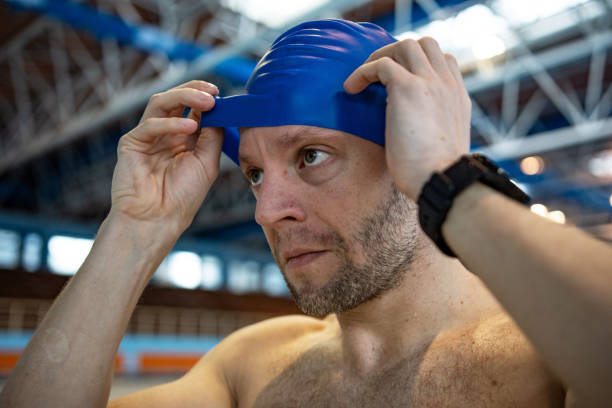

Swimming is an excellent way to stay active, improve fitness, and enjoy time in the water. However, having the right swimming accessories can make every session more comfortable and enjoyable. One essential accessory that many swimmers overlook is a swim hat. Swim Hats for Men are designed to help manage hair, reduce water resistance, improve comfort, and protect the scalp from direct exposure to pool water and outdoor conditions. Whether you swim regularly, participate in competitive training, or simply enjoy occasional pool sessions, choosing the right swim hat can make a noticeable difference. Before purchasing one, it is important to understand the available materials, fitting options, useful features, and factors that influence overall performance.
Why Are Swim Hats Important for Men?
A swimming hat serves several practical purposes beyond keeping hair away from the face. It helps swimmers maintain a more comfortable swimming experience while supporting better hygiene and convenience.
One of its primary functions is to keep hair contained during swimming. This is particularly useful for men with medium-length or long hair, as loose strands can become distracting in the water.
Swim hats can also help reduce drag by creating a smoother surface around the head. Although they do not automatically make someone a faster swimmer, a properly fitted hat can support better movement through the water.
Another advantage is that swim hats help reduce direct contact between hair and chlorinated pool water. However, they are generally not completely waterproof, so some water may still reach the hair.
See also: Navigating Restraining Orders and Stay-Away Directives in Encino Cases
Different Types of Swim Hats for Men
Understanding the different materials available can help you select a swimming hat that matches your requirements.
1. Silicone Swim Hats
Silicone swim hats are popular because they offer flexibility, durability, and a comfortable fit. Their stretchy construction makes them relatively easy to put on and remove without excessive pulling.
They are suitable for regular swimming sessions and can provide a smooth surface that helps reduce water resistance.
Key advantages include:
- Flexible and stretchable material.
- Good durability with proper care.
- Smooth surface for comfortable swimming.
- Suitable for recreational and competitive swimmers.
- Generally resistant to repeated pool use.
Silicone options are particularly useful for swimmers who want a balance of comfort and long-term performance.
2. Latex Swim Hats
Latex swim hats are usually thinner and lighter than silicone alternatives. They fit closely around the head and can provide a streamlined feel in the water.
Their lightweight construction makes them appealing to swimmers who prefer a snug fit. However, latex material may be less durable and can tear if handled roughly.
Some individuals may also experience latex sensitivity or allergic reactions. Anyone with a known latex allergy should avoid these products.
3. Fabric Swim Hats
Fabric swim hats are often made using stretchable textile materials. They are generally comfortable to wear and easy to put on or remove.
Unlike silicone and latex options, fabric hats may allow more water to pass through. They are therefore better suited to casual swimming than situations where a close-fitting, streamlined cap is preferred.
They can be a practical choice for beginners and recreational swimmers who prioritize comfort.
Important Features to Consider Before Buying
Not every swimming hat offers the same level of comfort or performance. Paying attention to a few important features can help you make a suitable choice.
1. Material Quality
Material is one of the most important considerations when selecting a swim hat. It influences flexibility, durability, comfort, and resistance to regular pool exposure.
Look for a material that feels smooth, stretches appropriately, and maintains its shape after repeated use. If you swim frequently, durability should be a priority.
2. Proper Fit and Size
A swim hat should fit securely without creating excessive pressure around the forehead, ears, or scalp.
A hat that is too tight may cause discomfort and leave pressure marks. On the other hand, a loose-fitting option may slip off during swimming.
Men with larger heads or thicker hair should pay particular attention to the available size and stretchability.
3. Comfort and Flexibility
Comfort becomes especially important during longer swimming sessions. A flexible swim hat should sit naturally on the head without requiring constant adjustment.
Check whether the material stretches evenly and whether the edges feel comfortable against the skin.
4. Water Resistance
Most standard swim hats are not completely waterproof. Their main purpose is to contain hair, improve comfort, and create a smoother swimming profile.
Some materials provide a closer fit that may reduce water penetration, but you should not expect your hair to remain completely dry.
If protecting your hair from pool chemicals is a priority, consider combining a swim hat with appropriate hair-care practices.
5. Durability
Frequent exposure to chlorine, sunlight, heat, and stretching can affect the lifespan of a swimming hat.
Choose an option that can withstand regular use without becoming excessively loose, brittle, or damaged.
Good maintenance also plays an important role in extending its usable life.
How to Choose Swim Hats for Different Hair Types
Hair length and thickness can influence how comfortably a swimming hat fits.
For Men With Short Hair
Men with short hair generally have more flexibility when choosing a swim hat. Most standard sizes and materials should provide a suitable fit.
A silicone or latex option may be appropriate for those who prefer a close-fitting design.
For Men With Long Hair
Longer hair requires additional space inside the cap. Look for a stretchable design that can accommodate your hair without excessive pulling.
Before putting on the hat, gather your hair neatly to prevent tangling and uneven pressure.
For Men With Thick Hair
Thick hair can make standard swim hats feel restrictive. A flexible, appropriately sized option is often more comfortable.
Avoid forcing a small cap over thick hair, as this can damage the material and create unnecessary discomfort.
Tips for Wearing a Swim Hat Correctly
Even a high-quality swim hat may feel uncomfortable if it is not worn properly. Following a few simple steps can make the process easier.
- Prepare your hair: Remove tangles and gather longer hair neatly before putting on the hat.
- Use both hands: Hold the sides of the cap and gently stretch the opening.
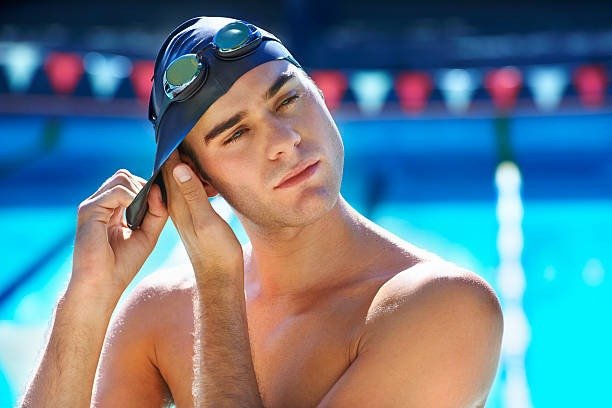
- Position it correctly: Place the front edge near your forehead and gradually pull the hat over the crown and back of your head.
- Adjust the edges: Make sure the cap sits evenly without excessive pressure.
- Check your ears: Decide whether you prefer your ears covered or partially exposed, depending on comfort and swimming requirements.
Avoid using fingernails or sharp objects when adjusting the cap, as they can cause small tears.
How to Maintain Your Swim Hat
Proper care can help your swimming hat remain comfortable and usable for longer.
Rinse After Every Swimming Session
After leaving the pool, rinse your swim hat with clean, fresh water. This helps remove chlorine, salt, and other residues that may affect the material over time.
Allow It to Dry Naturally
Gently remove excess water and leave the hat to air-dry in a shaded, well-ventilated area.
Avoid placing it directly under strong sunlight or using excessive heat, as these conditions may weaken certain materials.
Store It Properly
Keep your swim hat in a clean, dry place away from sharp objects. Avoid folding or compressing it unnecessarily, particularly when the material is still wet.
Check for Damage
Inspect your swim hat regularly for small tears, cracks, thinning areas, or loss of elasticity. Replacing a damaged hat can prevent discomfort and unexpected problems during swimming.
Common Mistakes to Avoid When Buying Swim Hats
Choosing a swimming hat based only on appearance can lead to an uncomfortable experience. Here are some common mistakes worth avoiding:
- Choosing the wrong size: A poorly fitted hat may slip off or create excessive pressure.
- Ignoring material differences: Silicone, latex, and fabric offer different levels of flexibility and comfort.
- Expecting completely dry hair: Most swim hats are not designed to provide a fully waterproof seal.
- Overlooking hair length: Men with thick or long hair may need a roomier design.
- Ignoring maintenance: Improper storage and cleaning can reduce the lifespan of the material.
- Prioritizing appearance over comfort: A stylish design is useful, but fit and functionality should come first.
Final Thoughts
Selecting the right swim hat is a simple way to make your swimming sessions more comfortable, convenient, and enjoyable. The best option depends on your hair type, swimming frequency, preferred material, and desired fit. Silicone hats are suitable for swimmers seeking flexibility and durability, latex options offer a lightweight and close-fitting feel, while fabric designs provide everyday comfort for casual use.
Before making your purchase, consider material quality, sizing, flexibility, and maintenance requirements. Remember that a swim hat is not necessarily waterproof, but it can help manage hair and reduce direct exposure to pool water. By choosing a suitable design and taking proper care of it, you can enjoy a more comfortable swimming experience throughout your training and recreational sessions.
