
Electronic devices are an essential part of modern life, supporting communication, education, business operations and everyday activities. As technology continues to develop, electronic equipment is regularly replaced with newer models, creating a growing volume of discarded devices. An electronics recycling service supports responsible e-waste management by collecting, sorting, processing and recovering materials from unwanted electronic products. These processes help manage electronic waste systematically while allowing valuable resources to re-enter manufacturing and production cycles. Understanding how electronic recycling works provides useful insight into resource conservation, material recovery and sustainable waste management practices.
Understanding Electronic Waste and Its Growing Importance
Electronic waste, commonly known as e-waste, includes discarded electrical and electronic equipment that is no longer required, functional or suitable for its original purpose. It covers a wide range of products used in residential, commercial and industrial environments.
Common Types of Electronic Waste
Different electronic products contain various materials and components, making proper sorting and processing important.
Common categories include:
- Computers and laptops: Desktop computers, monitors, keyboards, processors and other computer accessories.
- Communication devices: Mobile phones, tablets, routers and networking equipment.
- Household electronics: Televisions, audio systems, microwaves and other electrical appliances.
- Office equipment: Printers, scanners, photocopiers and electronic accessories.
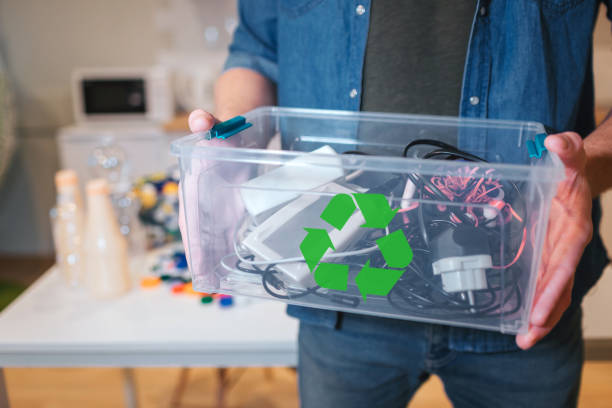
- Electronic components: Circuit boards, cables, connectors, batteries and power supplies.
- Industrial equipment: Electronic control systems, monitoring devices and specialised electrical components.
Each category requires appropriate handling because its materials, construction and recycling requirements can differ.
See also: Swim Hats for Men: What to Look for Before Your Next Swimming Session
How an Electronics Recycling Service Works
Electronic recycling involves several organised stages that help ensure discarded equipment is managed appropriately. Rather than treating all electronic products as general waste, recycling processes identify different materials and determine suitable recovery methods.
1. Collection and Transportation
The first stage involves collecting unwanted electronic equipment from households, offices, commercial facilities and other locations.
Collection arrangements may include designated drop-off points, scheduled collection programmes and business equipment removal services. Proper transportation helps prevent unnecessary damage to equipment and supports organised delivery to recycling facilities.
Some electronic products require additional care during transportation, particularly equipment containing batteries, glass components or other specialised materials.
2. Inspection and Initial Assessment
Once electronic equipment reaches a recycling facility, it may undergo an initial inspection.
This assessment helps identify:
- The type and category of electronic equipment.
- The condition of individual devices.
- Components that may require specialised handling.
- Equipment suitable for reuse or refurbishment.
- Materials that can enter different recycling processes.
Initial assessment helps determine the most appropriate processing route for each item.
3. Sorting and Categorisation
Sorting separates electronic products according to their construction, material composition and processing requirements.
For example, computers may be separated from household appliances, while cables, circuit boards, batteries and other components may be directed towards specialised processing streams.
Accurate categorisation improves material identification and helps recycling facilities manage different electronic waste categories efficiently.
4. Dismantling and Component Separation
Many electronic products contain multiple components that need to be separated before material recovery.
Dismantling may involve removing batteries, circuit boards, plastic casings, metal frames, cables and other individual parts. Depending on the equipment, this process may be performed manually or with specialised machinery.
Separating components makes it easier to recover different materials and ensures that specialised parts receive appropriate treatment.
Materials Recovered Through Electronics Recycling
Electronic devices contain a combination of metals, plastics, glass and other materials. Recovering these resources is an important part of responsible e-waste management.
Metal Recovery
Metals are commonly found in electronic circuits, connectors, wiring and equipment housings.
Some recoverable materials include:
- Copper from electrical wiring and circuit components.
- Aluminium from equipment frames and housings.
- Steel from structural components.
- Gold and silver from selected electronic connections.
- Other metals used in specialised electronic applications.
Recovered metals can be processed and supplied for use in suitable manufacturing applications, reducing the demand for some newly extracted raw materials.
Plastic Recovery
Plastic is used in many electronic products, including computer housings, keyboards, appliance casings and cable insulation.
Recycling facilities may separate plastic materials according to their composition. Suitable plastics can then undergo processing to produce recycled material for manufacturing applications.
Different plastic types require different treatment methods, so accurate identification is important for effective recovery.
Glass and Other Materials
Glass is present in certain electronic displays, screens and other equipment. Its recycling requirements depend on the product type and composition.
Other recoverable materials may include selected electronic components, ceramics and specialised industrial materials. Appropriate separation allows these resources to be directed towards suitable recovery processes.
The Role of Data Security in Electronic Waste Management
Data security is an important consideration when recycling electronic devices used for personal, commercial or organisational activities.
Computers, laptops, smartphones, servers and storage devices may contain confidential information, business records and personal files.
Secure Data Destruction Procedures
Before storage devices enter the recycling process, their data may need to be securely erased or destroyed.
Common approaches include:
- Data wiping: Using specialised software to overwrite stored information.
- Media sanitisation: Applying recognised procedures to make stored data inaccessible.
- Physical destruction: Mechanically destroying storage media when reuse is not appropriate.
- Asset tracking: Maintaining records of equipment throughout collection and processing.
The appropriate method depends on the storage technology, information sensitivity and applicable data protection requirements.
Why Data Management Matters
Responsible data handling helps organisations maintain control over information stored on retired electronic equipment.
Businesses can establish internal procedures for identifying storage devices, documenting their transfer and confirming that the required data destruction process has been completed.
This makes data security an important part of a complete electronic waste management programme.
Environmental Benefits of Responsible E-Waste Management
Proper electronic waste processing contributes to several environmental objectives by supporting material recovery and organised disposal.
Conservation of Natural Resources
Electronic products contain materials that require natural resources and energy to extract and manufacture.
Recovering usable metals, plastics and other materials allows some resources to be reused in production. This supports more efficient material consumption and contributes to resource conservation.
Reduced Landfill Waste
Electronic equipment contains multiple materials that should not automatically be treated as general household or commercial waste.
Recycling helps divert suitable electronic products and components towards recovery facilities. This reduces the quantity of electronic material entering landfill disposal streams.
Support for Circular Economy Practices
A circular economy focuses on keeping products and materials in use for as long as practical.
Electronic recycling supports this approach through collection, repair, refurbishment, component recovery and material recycling.
For example, a computer that no longer meets an organisation’s requirements may still contain functional components. Where appropriate, these components can be reused, while other materials can enter recycling processes.
How Businesses Can Improve Their E-Waste Management Practices
Businesses regularly use computers, printers, networking devices, communication equipment and specialised electronic systems. Managing these assets responsibly requires organised procedures.
Establish an Electronic Waste Collection System
Organisations can create designated collection areas for unwanted electronic equipment. Keeping electronic waste separate from general rubbish makes identification and collection easier.
Businesses with multiple locations may also benefit from maintaining centralised collection arrangements.
Maintain Equipment Records
Keeping an inventory of electronic assets helps organisations understand which devices are approaching replacement or retirement.
Useful records may include:
- Equipment category and description.
- Purchase or installation date.
- Asset identification details.
- Retirement or disposal date.
- Data destruction status.
- Recycling or recovery documentation.
These records support better asset management and improve visibility throughout the equipment lifecycle.
Choose Appropriate Recycling Processes
Different electronic products require different processing methods. Businesses should consider the types of equipment they generate and ensure that suitable recycling arrangements are available.
Relevant considerations include material recovery capabilities, battery handling procedures, data security practices and documentation.
The Importance of Responsible Electronic Recycling Practices
Responsible e-waste management depends on more than simply removing unwanted devices. It involves a coordinated approach that considers collection, transportation, inspection, sorting, data security, material recovery and final processing.
An effective recycling system helps ensure that electronic products are directed towards suitable recovery or treatment methods.
Individuals and organisations can contribute by keeping electronic waste separate from general rubbish, identifying appropriate collection channels and understanding the recycling requirements of different devices.
Conclusion
An electronics recycling service plays an important role in responsible e-waste management by supporting the organised collection, assessment, dismantling and recovery of discarded electronic equipment. Through appropriate recycling procedures, valuable materials can be recovered, reusable components can be identified and electronic waste can be managed more systematically. Combining material recovery, data security and responsible disposal practices creates a more structured approach to electronic resource management. As the use of technology continues to expand, effective e-waste management will remain an important part of sustainable resource use and environmental responsibility.